Two Minutes of Night: The Eclipse of 12 August 2026
B1 homework · Reading, vocabulary and future forms. Complete every task and submit your work.
1. Read the text
Read the text carefully. You will need it for the tasks below.
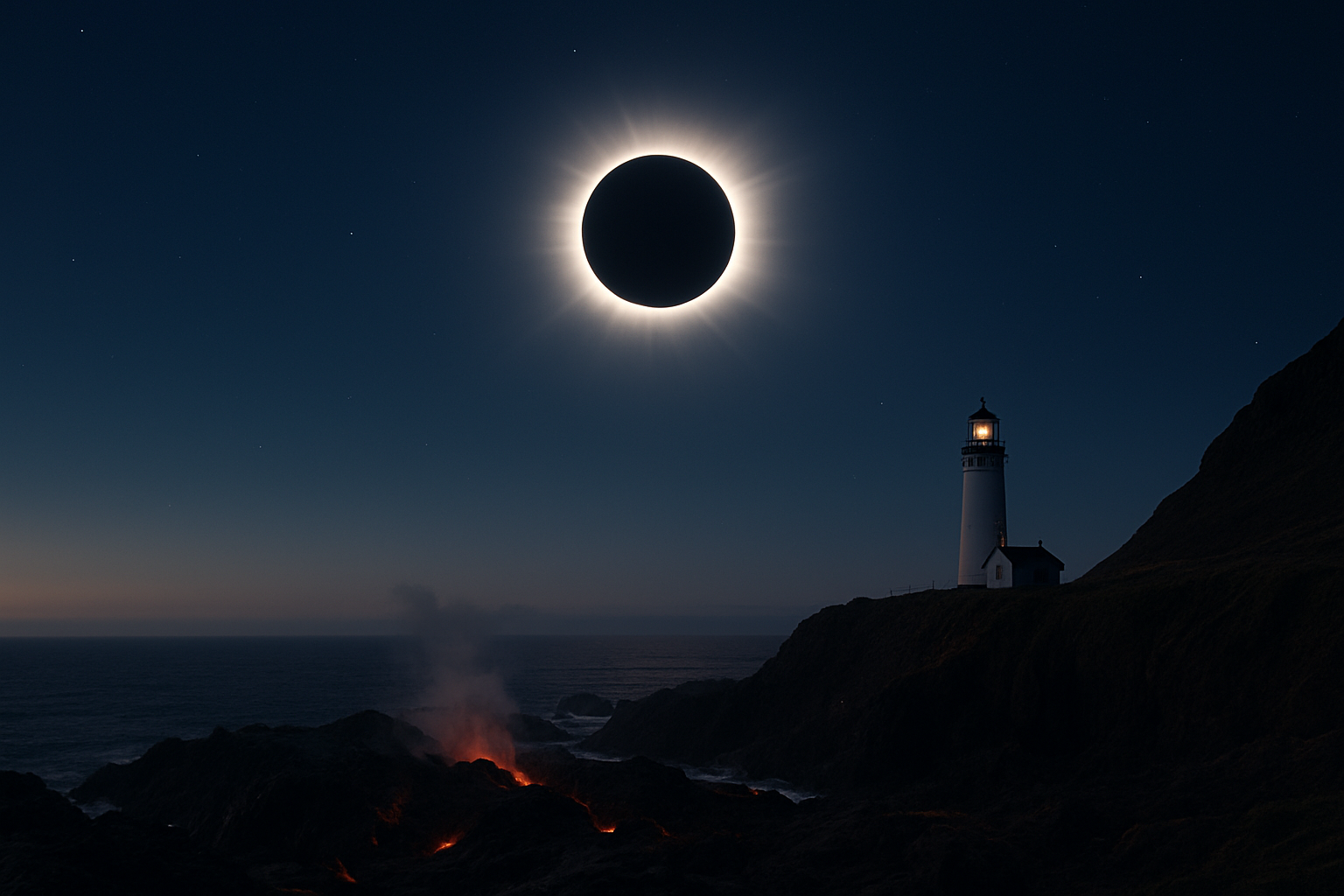
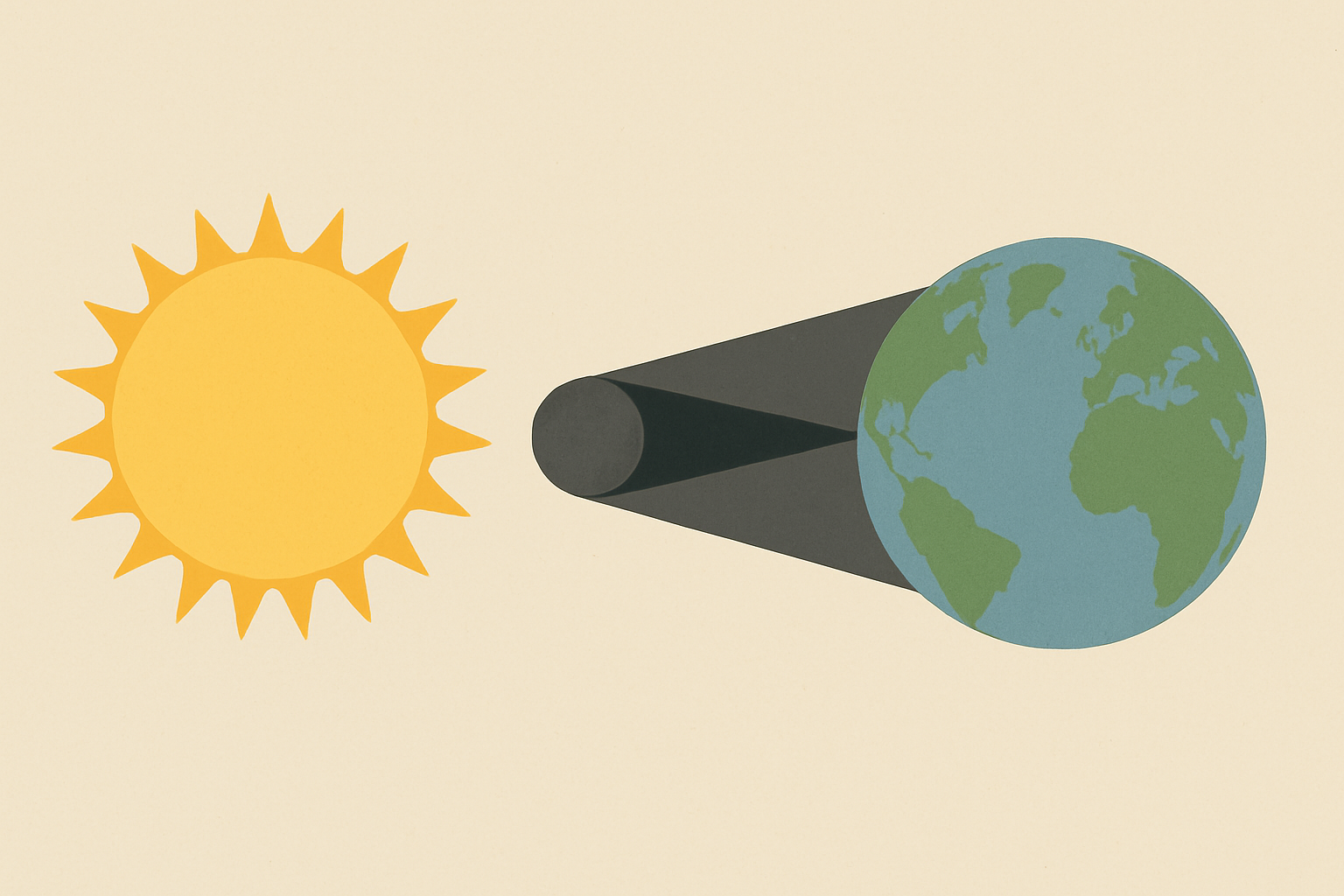
A total solar eclipse happens when the Moon moves exactly between the Sun and the Earth. The Moon covers the Sun completely, and its shadow falls on our planet. For a few minutes, day becomes night: the sky goes dark, the air feels cooler, and some stars appear.
On 12 August 2026, observers in a few lucky places will see this rare event. The path of totality crosses Greenland, Iceland and northern Spain, and it touches a small corner of Portugal. In the best locations, totality will last up to 2 minutes and 18 seconds. It is the first total eclipse visible from mainland Europe since 1999.
Watching an eclipse can damage your eyes, so you must do it safely. Never look at the Sun directly or through normal sunglasses. Use special eclipse glasses, and only take them off during the short minutes of totality, when the Sun is completely covered.
2. Key vocabulary
Match each word from the text with its definition.
- eclipse
- totality
- orbit
- shadow
- path
- observer
- rare
- safely
- a dark area made when something blocks the light
- a person who watches something happen
- a moment when one object in space hides another one
- not happening very often
- the short time when the Sun is completely covered
- in a way that does not hurt you
- a line or route along which something travels
- the journey of the Moon around the Earth in space
3. Comprehension check
Choose the correct answer for each question.
1. What happens during a total solar eclipse?
- The Earth moves between the Sun and the Moon.
- The Moon completely covers the Sun.
- The Sun disappears behind a cloud.
2. On which date does this eclipse take place?
- 12 August 1999
- 18 February 2026
- 12 August 2026
3. Which place does the path of totality only touch in a small corner?
- Greenland
- Iceland
- Portugal
4. How long can totality last in the best locations?
- Up to 2 minutes and 18 seconds
- Up to 18 minutes and 2 seconds
- About one hour
5. When was the last total eclipse visible from mainland Europe?
- In 2018
- In 1999
- In 1986
6. When is it safe to take off your eclipse glasses?
- As soon as the sky starts to get dark
- Never; you must wear them the whole day
- Only during totality, when the Sun is completely covered
4. Use the new words
Complete the sentences with words from the box. Use each word once.
eclipse · totality · orbit · shadow · path · observer · rare · safely
1. A total solar ______ happens when the Moon completely hides the Sun.
2. The Moon travels around the Earth in an ______ .
3. During the event, the Moon's ______ falls on our planet.
4. The ______ of totality crosses Greenland, Iceland and northern Spain.
5. Every ______ needs special glasses to watch the Sun.
6. During ______ , day becomes night for about two minutes.
7. Total eclipses are ______ ; many people never see one in their lives.
8. You must always watch the Sun ______ , with special eclipse glasses.
5. Grammar: will and going to
going to → plans you have already made, and predictions based on what you can see now.
will → predictions and opinions (often with I think, probably), and decisions made at the moment of speaking.
Choose the best form for each sentence about eclipse day.
1. We have already bought our flights. We
- are going to travel
- will travel
2. Look at those dark clouds over the coast! It
- will rain
- is going to rain
3. I think the sky
- will be
- is going to be
4. Maria has planned her trip carefully. She
- is going to watch
- will watch
5. You forgot your eclipse glasses? Don't worry, I
- am going to lend
- will lend
6. There are thousands of visitors in town already. The beaches
- will be
- are going to be
6. Your opinion
Some people travel thousands of kilometres to see rare natural events like this eclipse. Is it worth it? Write your opinion in 60-80 words. Give at least two reasons and use will or going to at least once.
This lesson is interactive: open this page in a browser to fill in the answers and get them checked automatically. Teachers can copy the lesson and edit every part of it.